Blog
Bottoms Up
Everything is open source if you know where to look: Reverse Engineering Systems from the Ground Up. And occasionally developing them.
All posts
6 posts
Ultimate Truck Hacking Platform
A unified platform for researching legacy, current, and emerging medium and heavy-duty vehicle protocols.
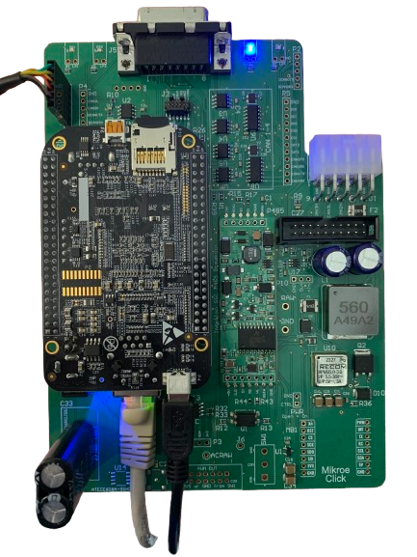
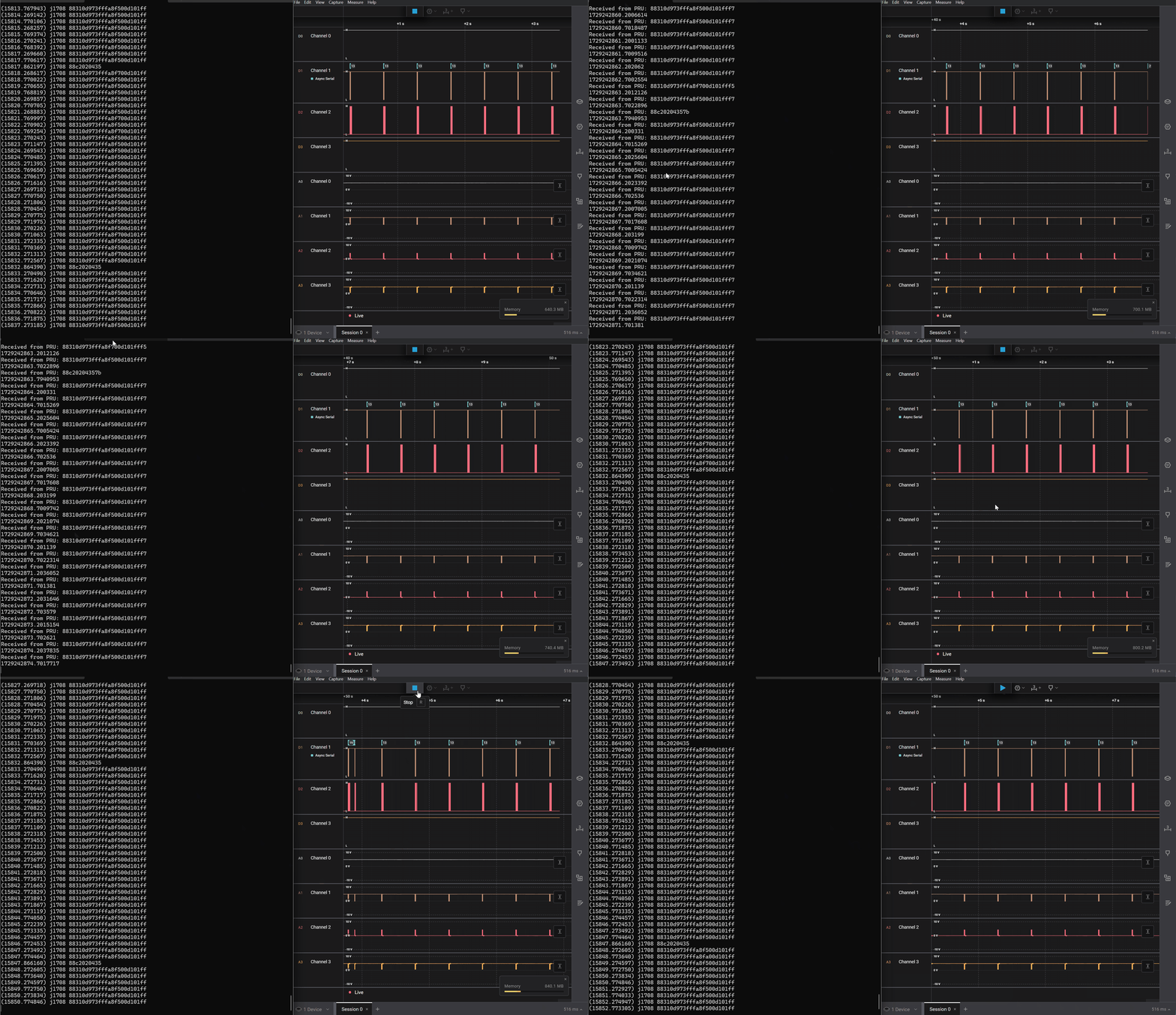
Medium and heavy-duty vehicles use a mixture of proprietary and legacy protocols for diagnostic and control functions. Standards including J1939, J1708, and J2497 were not designed around modern access control or encryption, while the tooling needed to examine them has historically been fragmented.
UTHP brings the interfaces and tooling needed for heavy-vehicle security research into one purpose-built platform. It supports trucks, buses, vocational and off-road equipment, and agricultural machinery across legacy, current, and emerging communication interfaces.
Vehicle Penetration Testing Platform
A mobile, quick-turnaround operating environment for vehicle-network testing in the field.
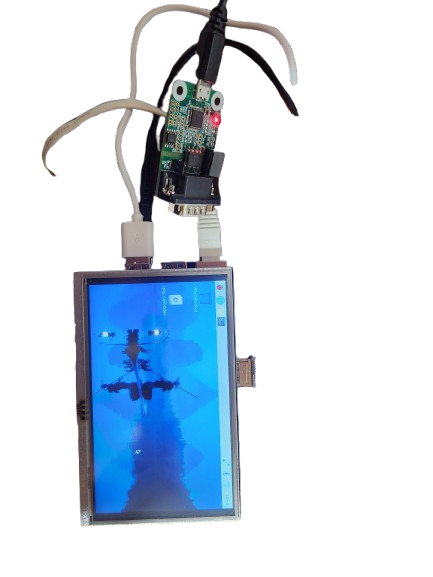
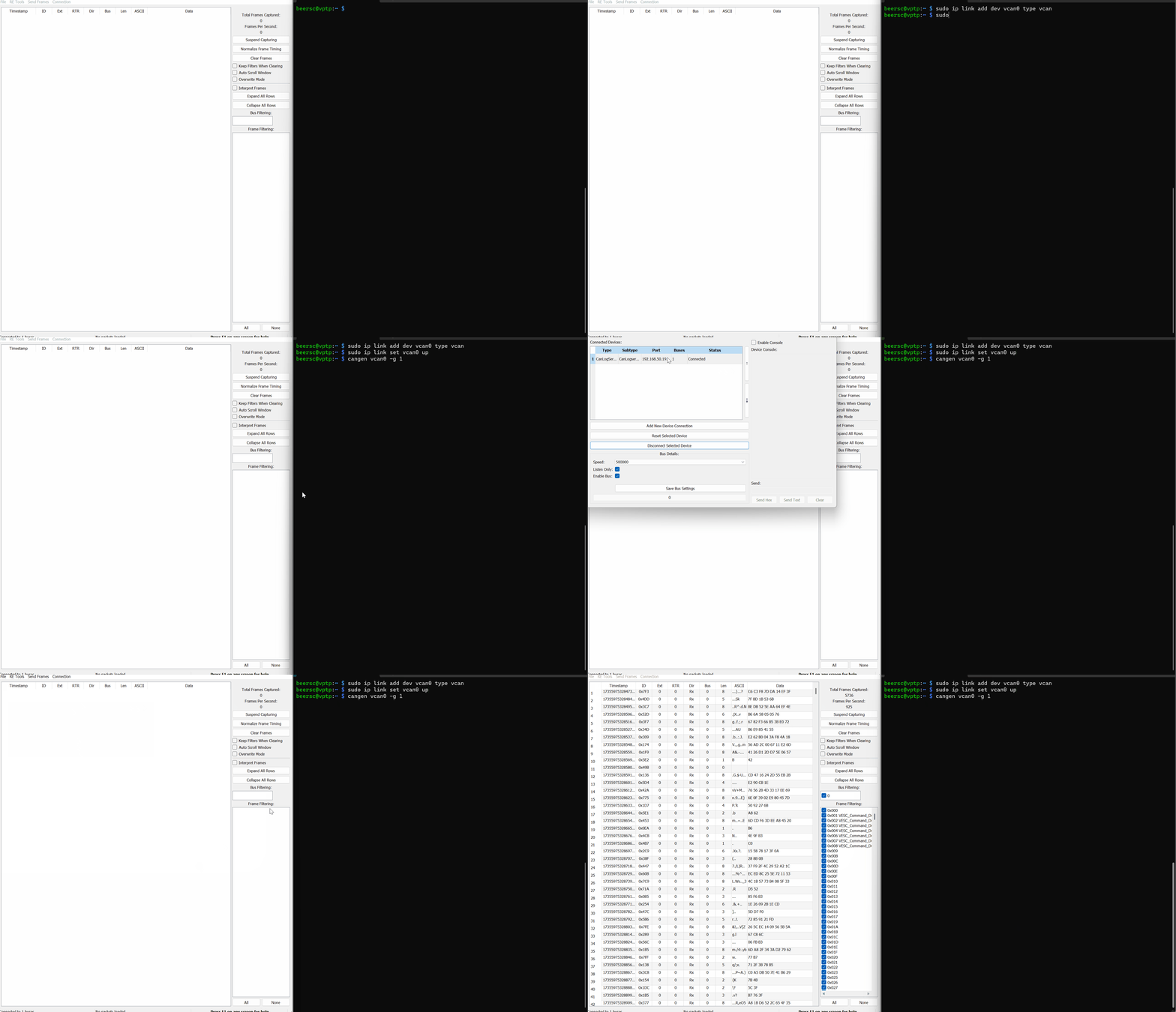
VPTP is an operating-system wrapper built for mobile vehicle assessment. The project uses Raspbian as its foundation for broad hardware support and combines CAN sniffing, injection, and replay with general-purpose penetration-testing tools.
The goal is a compact platform that reduces setup time during quick-turnaround automotive and transportation security work without hiding the underlying tools from the operator.
Autonomous Pedestrian Detection with Depth Estimation
A lightweight embedded-vision system that pairs object recognition with depth information for vehicle decision-making.
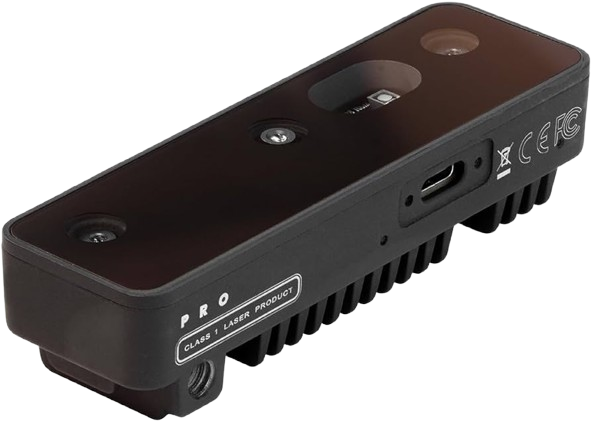
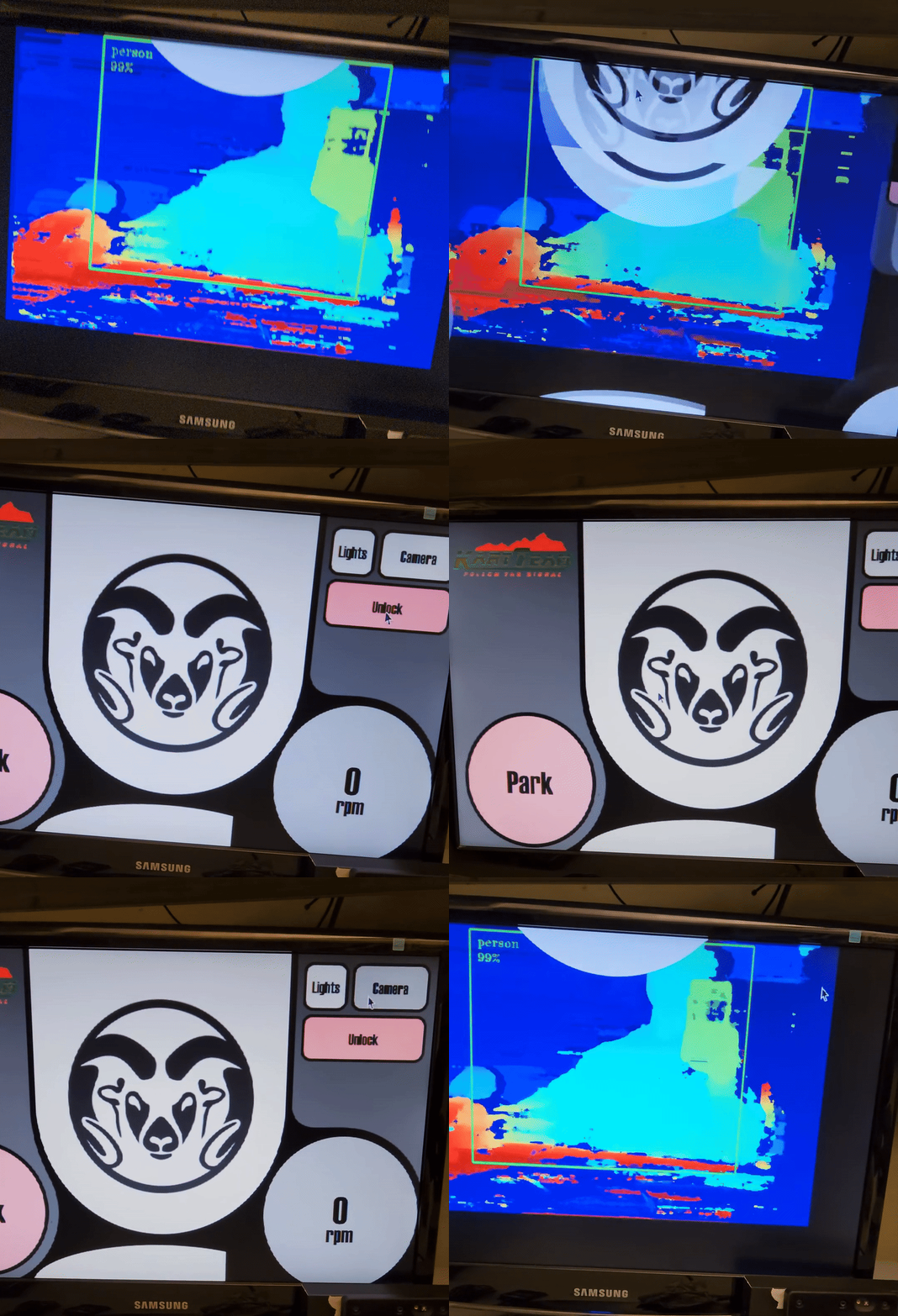
APDde runs a lightweight neural network on Linux and embedded hardware to identify objects and estimate their distance. The prototype achieved greater than 99 percent inference accuracy while expanding detection beyond pedestrians to additional classes useful for autonomous vehicle decisions.
The first iteration used a pair of Logitech cameras for stereo depth. The work then moved toward a more robust, off-the-shelf sensing configuration and was integrated with the electric go-kart capstone platform.
Electric Go-Kart
An electric vehicle platform combining CAN telemetry, infotainment, navigation, LiDAR, and obstacle avoidance.
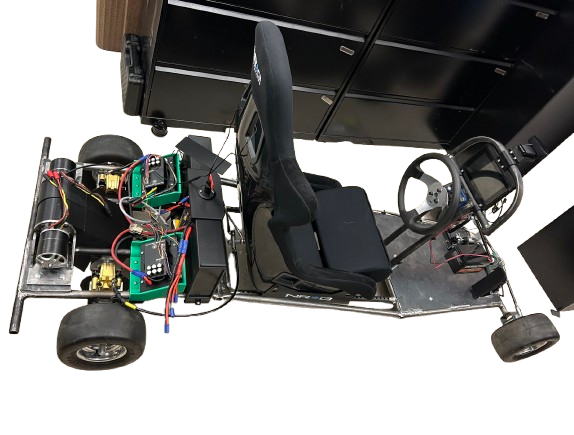
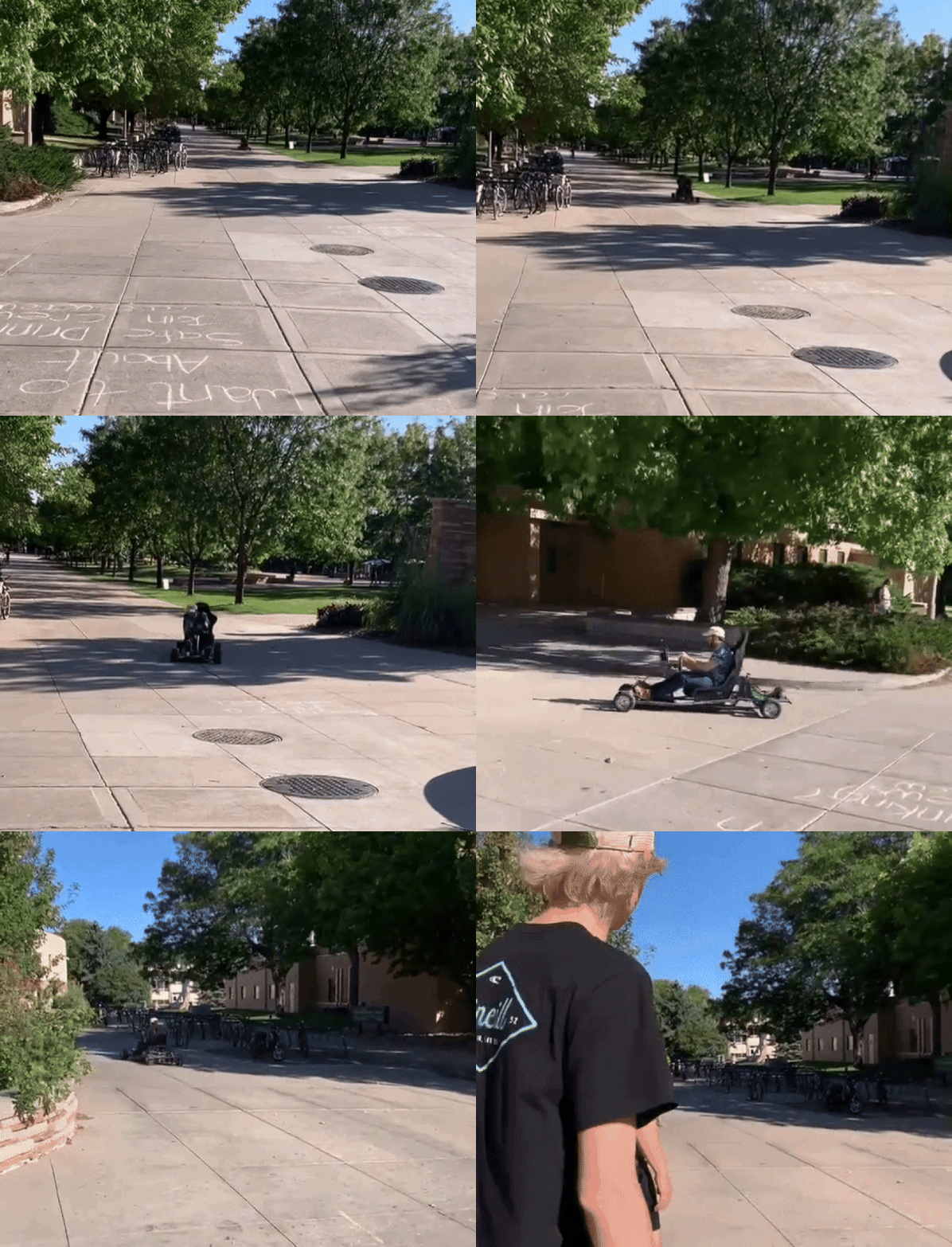
For this senior-design project, I developed the CAN communication between the electric go-kart and a Raspberry Pi 4 infotainment system. The larger platform incorporated LiDAR sensing, GPS route planning and optimization, and a custom machine-learning approach to obstacle avoidance.
The project became a practical laboratory for integration work across embedded controls, vehicle networking, perception, and operator-facing software.
Screamba
A Raspberry Pi and accelerometer project that gives a Roomba a very literal reaction to collisions.
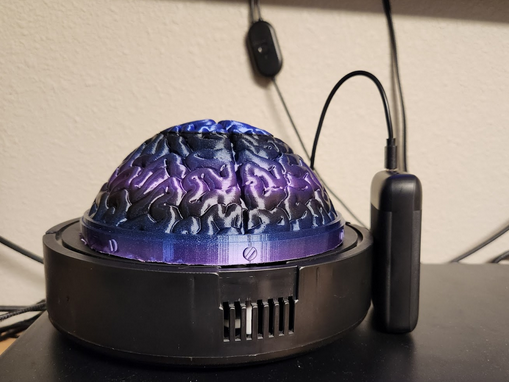
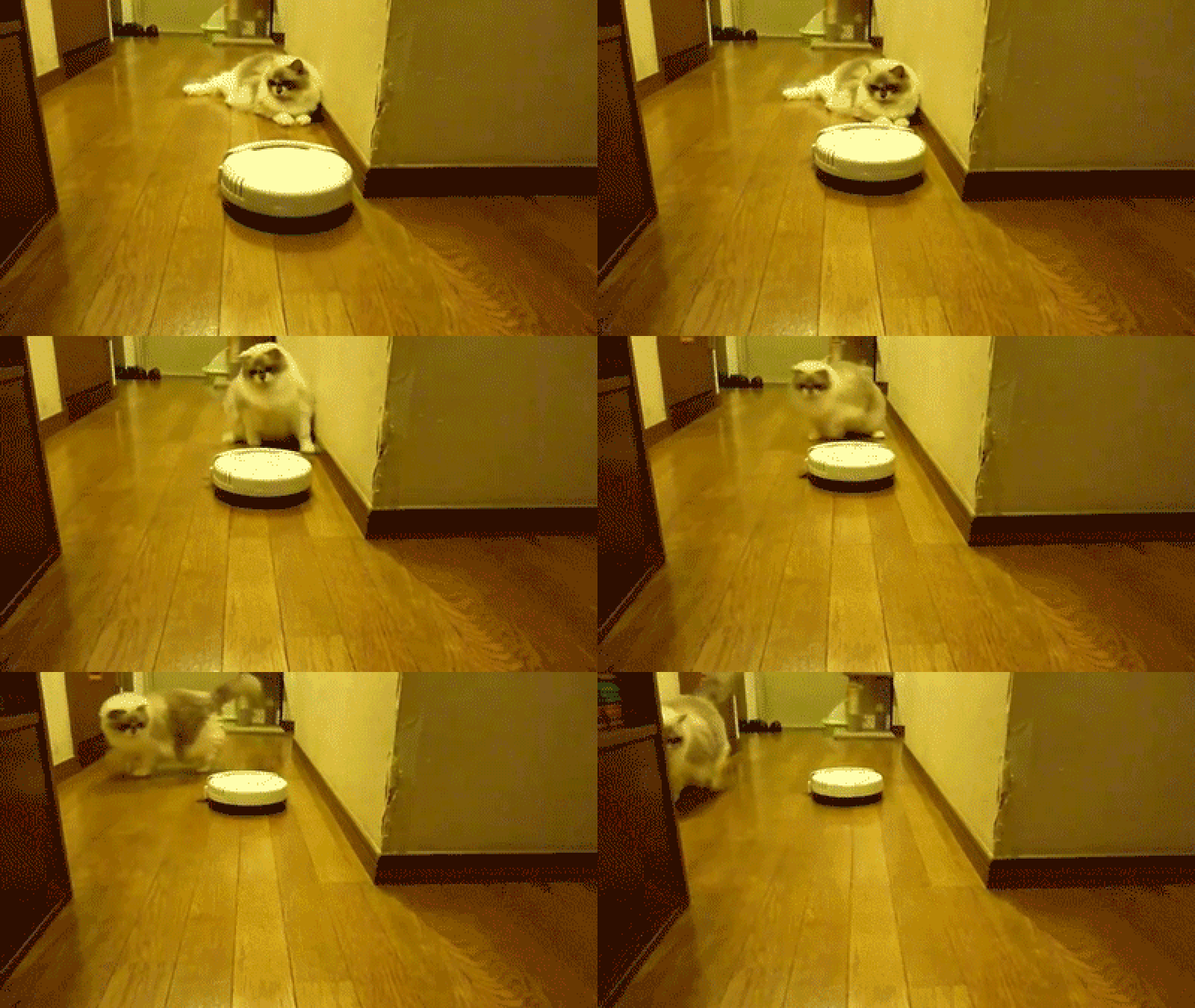
Inspired by a Michael Reeves’ build, Screamba combines an accelerometer, Raspberry Pi, and custom speaker system. It was built for CS 370 as a playful way to work through operating-system concepts, hardware input, and event-driven behavior.
Aquatic Monitoring System
An ESP32-based platform for monitoring water quality, temperature, and fish health.

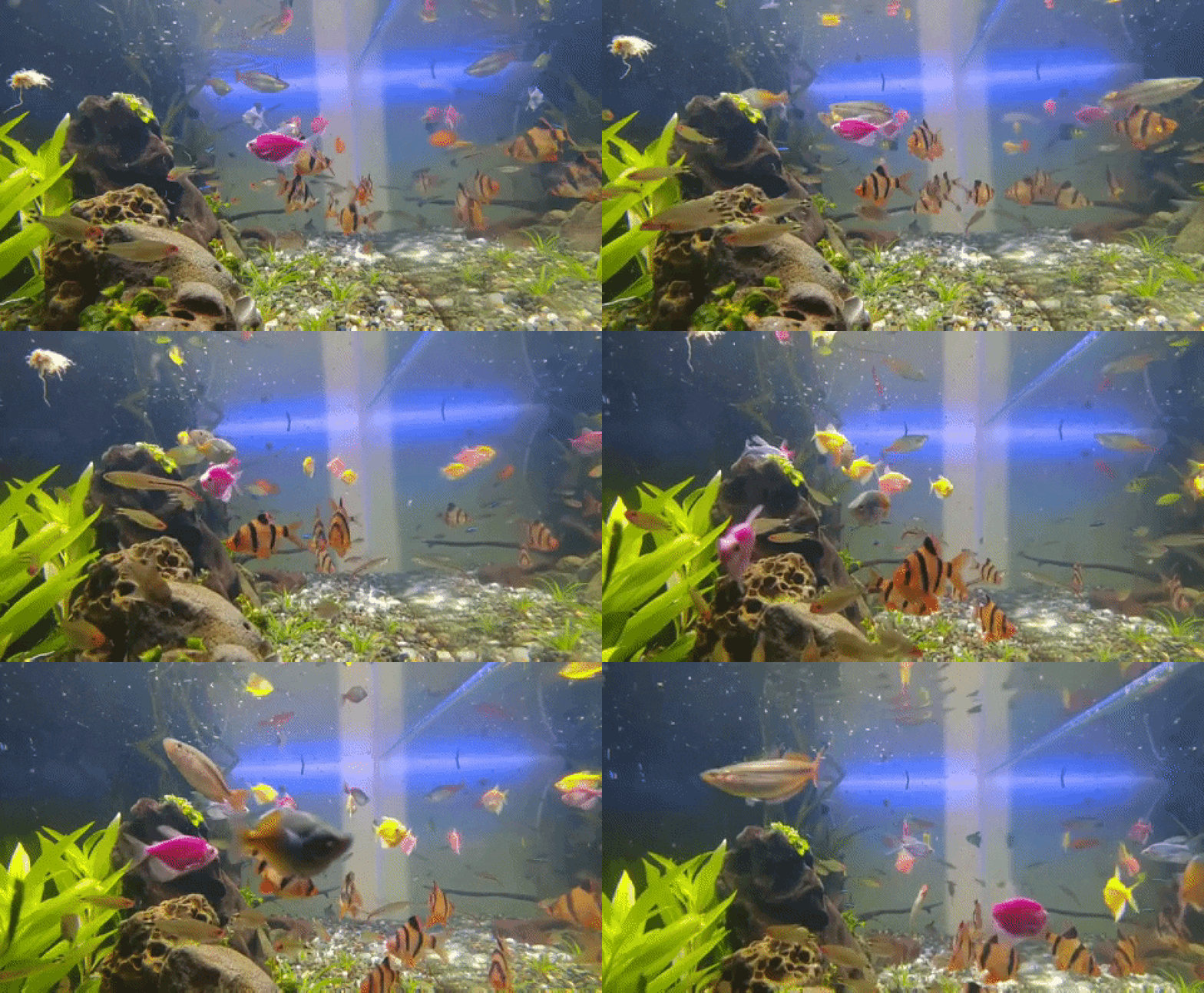
Created for ECE 561, the Smart Fish Tank uses an ESP32 and a set of environmental sensors to monitor water quality and temperature. The project explored how a small embedded system could provide useful visibility into both aquarium conditions and fish health.
No posts match that search. Try a broader term.